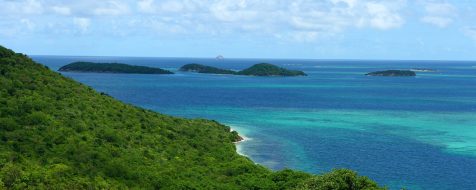
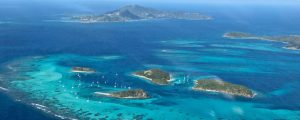
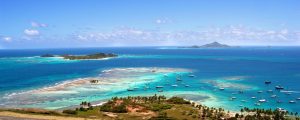
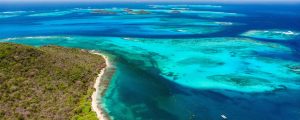
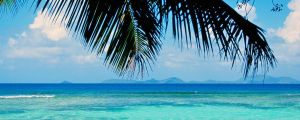
The Tobago Cays are five uninhabited cays inside Horseshoe Reef, and they are the single best reason to charter in the Grenadines.
Nobody lives there. No dock, no shop, no water.
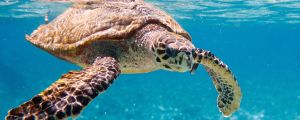
You arrive by boat, moor inside the reef, and swim with green turtles over seagrass in water about chest deep.
The whole group is a marine park, which means fees, zones and rangers. The zones were redrawn after Hurricane Beryl in July 2024, so an older chart or an old guidebook will put you in the wrong place.
Broker insight
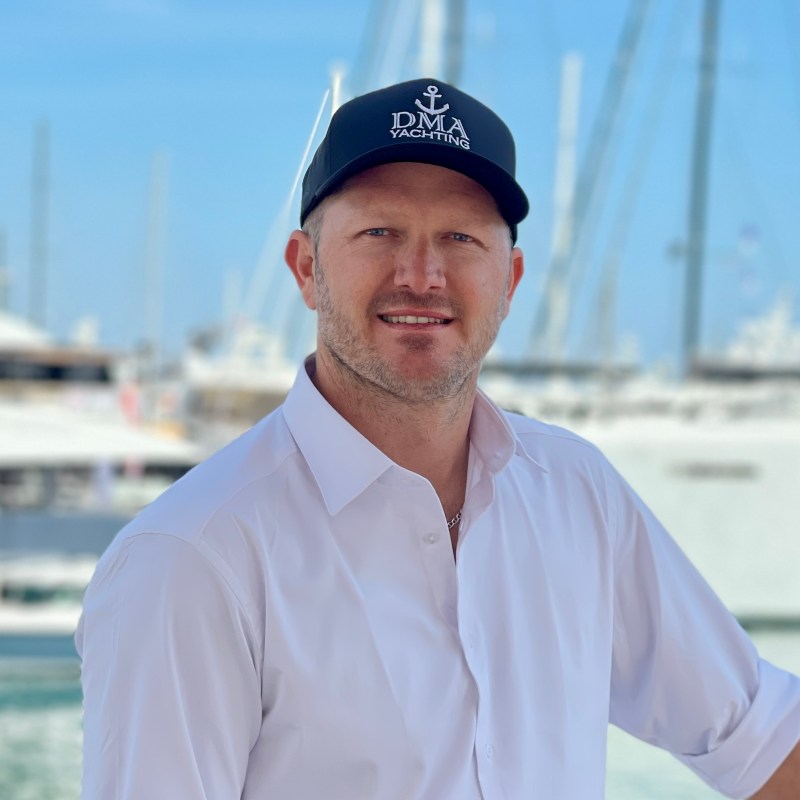
The Cays are the day guests talk about afterwards, so we build the week around being there in the right conditions rather than slotting it in wherever it falls. Two nights is better than one. You get the reef in the morning before the day boats arrive from Union, which is a completely different experience to the middle of the afternoon.
 John Boullin
Charter Broker
Entry Costs EC$15 a Head and EC$60 a Mooring, Each 24 Hours
Two separate charges, both per 24 hours, collected by the rangers on the water or at the park office in Clifton on Union Island.
- Park entry: EC$15 per person, for each 24 hours
- Mooring: EC$60 per mooring, for each 24 hours
A party of eight staying two nights therefore pays about EC$360 in total, which is roughly US$135. The captain normally settles it and it appears on the final account rather than coming out of the APA as a surprise.

The Turtles Are Off Baradal, and Nowhere Else
The sanctuary is off Baradal, the cay closest to the reef on the eastern side, and it is marked by buoys.
The turtles graze the seagrass there, in water shallow enough to watch them from the surface without diving down.
It is a no-anchoring and no-motoring zone, so you go in by dinghy under oars or swim across from a mooring.
This is the part most groups get wrong. They snorkel off whichever cay they happen to be moored at, see nothing much, and conclude the Cays are overrated. The turtles are in one defined patch and you have to go to it.
Horseshoe Reef itself is the better snorkeling for fish and coral, on the outer side, and it is only comfortable in settled conditions because it takes the Atlantic swell directly.


Horseshoe Reef Is What Keeps the Anchorage Calm
Moorings are laid between Petit Rameau and Petit Bateau, in the channel, and off Baradal. Take a mooring where one is available rather than anchoring, both because the park prefers it and because the holding is patchy over coral and seagrass.
The anchoring zones changed after Beryl. Follow the rangers, who will come out to you, and do not rely on a plotter overlay or a guide published before mid-2024.
The protection here is unusual and worth understanding.
You moor in open water with no land to windward. What keeps it flat is Horseshoe Reef breaking the swell a few hundred metres upwind, so it feels exposed and is calm.
In a strong easterly it stops being calm, and we move the night to Salt Whistle Bay on Mayreau or Chatham Bay on Union Island, both a few miles away.
There is no shelter ashore, no water and no fuel. Boat vendors come to you selling lobster, bread and ice, which is part of the experience rather than a nuisance.

Give the Cays Two Nights, Not One
The Cays sit at the southern end of the chain, between Mayreau and Union Island, about 30 miles from St Vincent. On a week running south they fall naturally on day four or five.
Two nights is our recommendation, and it is the one thing we argue about most on a Grenadines week.
The day boats come over from Union through the middle of the day, so the reef is busiest from late morning to mid-afternoon.
A second night buys you the early morning, when the water is clearest and the turtles are grazing, and the evening after the day traffic has gone.
If the week starts from Bequia or Clifton rather than St Vincent, the Cays can be day one, which is worth doing if the forecast puts the settled weather at the start of the week.
People Also Ask About the Tobago Cays
What are the Tobago Cays park fees?
EC$15 per person for each 24 hours in the park, plus EC$60 for each mooring for each 24 hours. The rangers collect on the water, or you can pay at the park office in Clifton on Union Island. A group of eight on two nights pays about EC$360, roughly US$135.
Can you swim with turtles in the Tobago Cays?
Yes. The turtle sanctuary off Baradal is a marked, buoyed area of seagrass where green turtles graze in shallow water, and you snorkel it from the surface. It is a no-anchoring and no-motoring zone, so you reach it by dinghy under oars or by swimming from a mooring.
Is it safe to anchor overnight in the Tobago Cays?
In settled trade winds, yes. There is no land to windward, but Horseshoe Reef breaks the swell and keeps the anchorage calm despite how exposed it looks.
Your crew takes a laid mooring rather than anchoring over coral. In a strong easterly they will usually move the night to Mayreau or Union Island instead.
Is there anything ashore in the Tobago Cays?
No. All five cays are uninhabited, with no dock, no shop, no water and no fuel. Boat vendors come out to the moorings selling lobster, bread and ice, and the nearest provisioning is Clifton on Union Island.


 iMessage
 WhatsApp